Streaming Culture & Creator Economy in 2026
Streaming culture and the creator economy in 2026 are not just thriving; they are transforming the very fabric of entertainment. Within this realm, innovations in content, AI-generated music and OTT streaming are redefining content creation and consumption of content.
2026 seems to be a new chapter in streaming and we definitely have a lot of evidence to prove that. That’s why, we are here to explore the nuances of streaming culture and why these are affecting creators, platforms, and audiences.
The New Era of Streaming Culture
Streaming was once a niche pastime, dominated by gamers and tech enthusiasts, but by 2026, it had evolved into a powerful global industry. On platforms like Twitch, YouTube, and regional live-shopping channels in Asia, live streaming lets brands and creators reach audiences with unprecedented immediacy.
The streaming economy’s influence now permeates shopping, education, music, and even real-time news coverage, highlighting how essential live digital engagement has become.
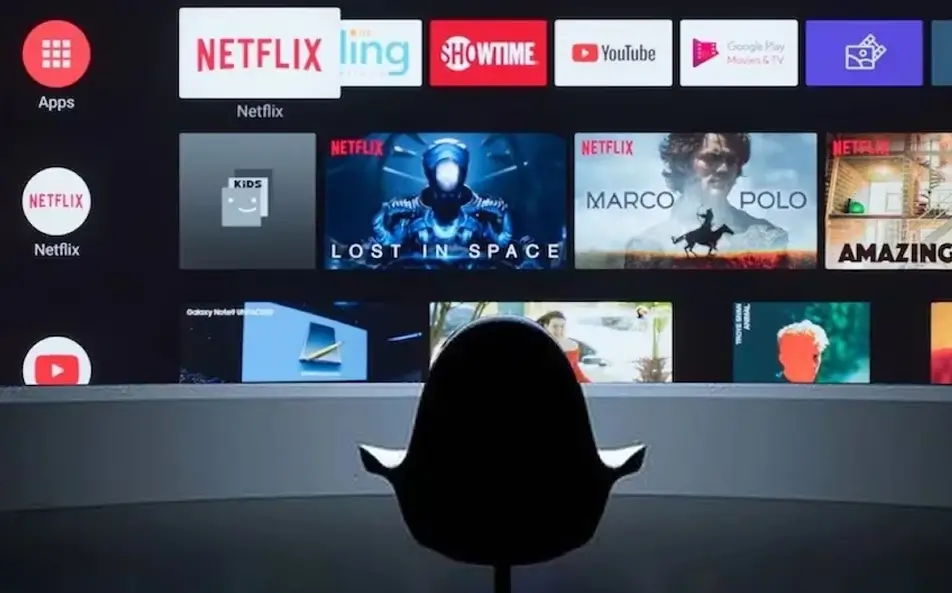
But it’s not just live content: on-demand streaming, powered by OTT platforms, has become a staple for homes worldwide. Consumers aren’t just tuning in for entertainment; they’re expecting interactivity, personalisation, and choice.
AI Music & Generative Soundtracks: Sound + Strategy
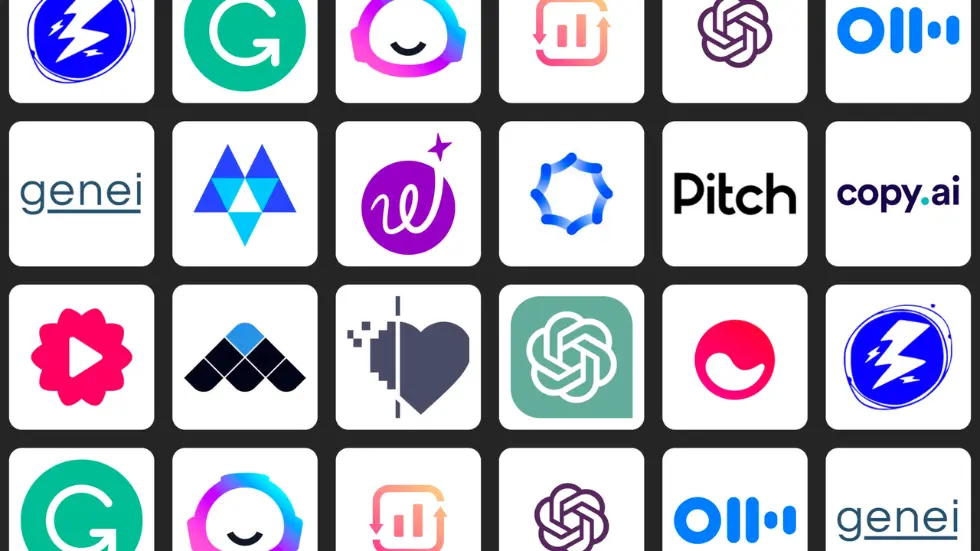
We’re also entering a new era of AI music and generative audio. As tools get smarter, creators can now incorporate adaptive soundtracks or beats that respond to the visuals in real time. That lowers the barrier to entry: you don’t need a licensed song or a music producer, as long as the AI engine is good.
Yet this trend raises thorny questions: who owns the rights? How do royalties get shared? Some talent agencies already flag AI video tools as potential risks to creator rights. In 2026, we’ll likely see legal and business models restructured for hybrid creative authorship (human + AI), especially in music-intensive genres like dance, ambient visuals, or lyric-driven pieces.
For creators, mastering this new frontier, knowing when to use AI, when to layer human instrumentation, and how to credit collaborators becomes a competitive edge.
The Meteoric Rise of YouTube Shorts
Short-form content has exploded in popularity, and nowhere is this more apparent than with YouTube Shorts. Originally seen as YouTube’s answer to TikTok’s snackable videos, Shorts in 2026 are essential viewing for digital natives.
The Shorts algorithm is now more nuanced, prioritising creator engagement and relevancy over sheer views. Smart posting schedules, influencer-driven trends, and even AI-powered discovery tools help content find its audience faster—and creators build loyal communities more effectively.
These short bursts of creativity have democratized content creation, enabling anyone with a phone and some imagination to gain traction. The barrier between ‘creator’ and ‘viewer’ is more permeable than ever, leading to new trends, viral challenges, and subcultures springing up almost overnight.
OTT Evolution: Hybrid Models, Live Sports, and the Unbundling of TV
Meanwhile, the world of long-form streaming continues its own reinvention. The OTT market is still growing, consumer spending on OTT and pay TV combined is expected to climb from about US$291 billion in 2024 to US$318.5 billion by 2029.
Streaming services are no longer all “all you can eat, no ads.” Many platforms adopt hybrid subscription + ad (AVOD + SVOD) tiers to lure price-sensitive users. Brands and marketers are redirecting ad budgets heavily into connected TV (CTV) and streaming inventory.
Another striking development: live sports and events are increasingly migrating to OTT platforms. Giants like Netflix, Disney+, and Amazon are incorporating live sports rights to drive subscriptions and reduce churn.In many markets, OTT now surpasses traditional pay-TV as the dominant viewing mode.
This shift matters for creators and studios alike. As platforms double as broadcasters, licensing, content windows, and revenue splits must be rethought. Creators of niche content whether scripted, nonfiction, or regional have more opportunities via platform partnerships or co-productions.
Digital Creators: Innovators, Entrepreneurs, and Community Leaders
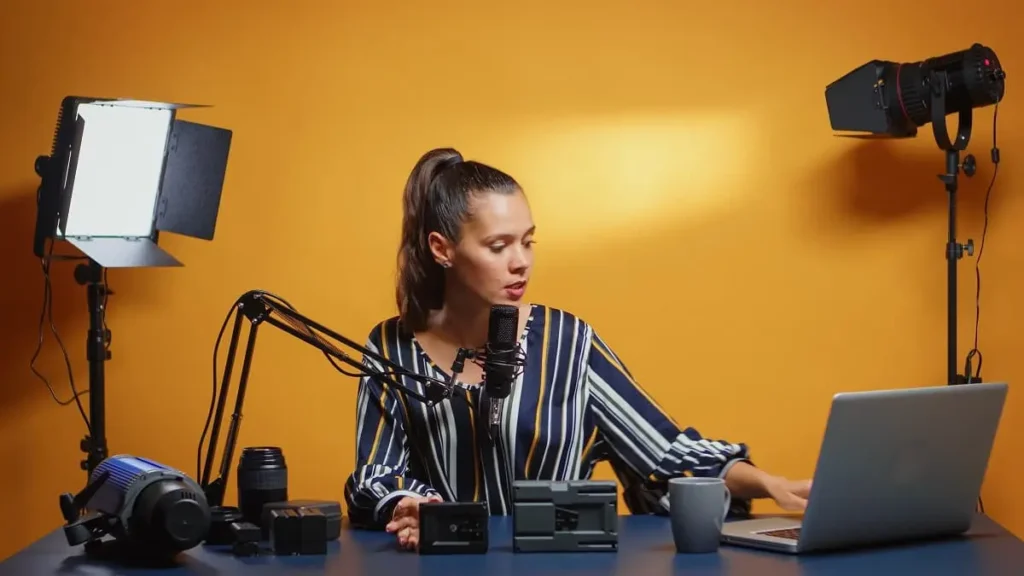
The creator economy is projected to hit $181.8 billion in revenue in 2026, a testament to its expanding reach and influence. Today’s digital creators wear many hats: they’re entertainers, educators, entrepreneurs, and community builders.
They leverage powerful new tools, social media, advanced analytics, and AI, to design their own brand journeys. The rise of the ‘micro-creator’ has made content more diverse, authentic, and relevant to niche audiences across the globe.
AI plays a crucial role here, revolutionizing the way content is produced and monetized. From smart editorial planning to AI-enhanced video editing, and even speech-to-text captioning, creators now operate with productivity tools that amplify creativity while lowering repetitive work.
Collaboration between influencers and AI-driven brands is streamlining partnerships, unlocking smarter workflows, and boosting discovery—making high-quality content easier to produce at scale. This drives both authenticity and value for creators and audiences alike.
The Creator Economy in 2025
Let’s zoom in on creators themselves. The creator economy is now measured in the hundreds of billions of dollars. In 2024, the market was estimated at over US$250 billion, and projections show sharp growth ahead through 2027.
Yet beneath that headline, we see both opportunity and growing pains. The top 10% of creators often command disproportionate earnings; many mid-tier creators struggle to scale. Diversification of revenue spanning subscriptions, merchandise, live events, affiliate partnerships, and brand deals is now essential.
In 2025, creators must wear multiple hats: storyteller, product developer, community builder, and business strategist. The era of “just upload and hope for ad revenue” is fading.
One more key development: platforms and tools are increasingly creator-centric. Deep analytics, AI-powered editing assistance, tipping systems, membership tools, and direct monetization are baked into the fabric of apps. At upcoming industry summits panels are explicitly focusing on creator monetization models and AI workflows.
Fandom & Audience Shifts: From Spectators to Co-creators
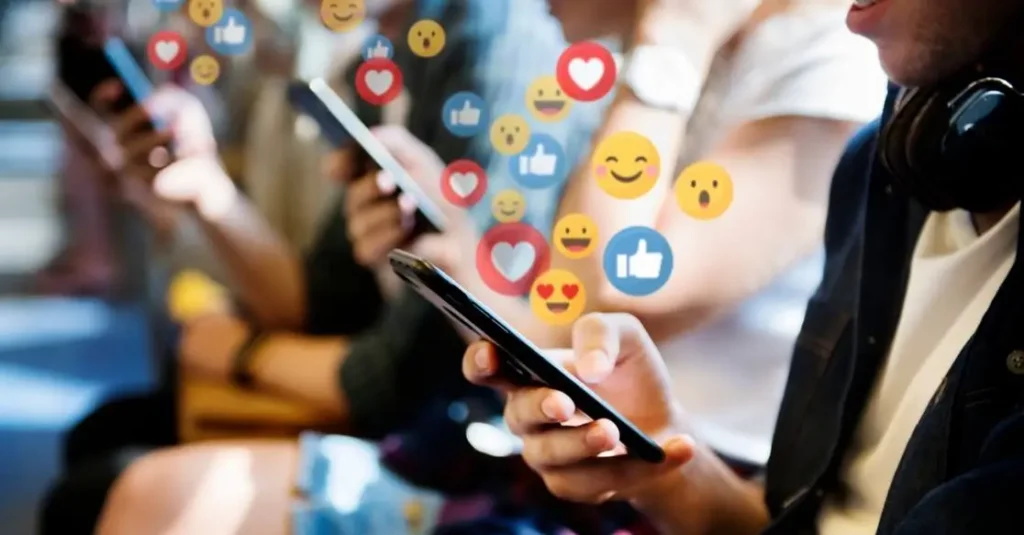
An often-underappreciated cultural shift: the boundary between creators and audiences is blurring. Fandom is no longer passive consumption, it’s co-creation, remixing, memifying, and deep subscription support.
In 2025:
- Micro-communities and niche fandoms (on Discord, Telegram, Patreon, etc.) gain influence over broad mass audiences.
- Audiences expect interactivity: live Q&A, “choose your ending” polls, in-video shout-outs.
- Fan contributions (fan art, edits, remixes) are increasingly fed back into official channels.
- Some creators give early access or “insider” status to their superfans; in return, superfans invest (monetarily and emotionally).
This shift reshapes loyalty: the most valuable audience isn’t the largest but the most engaged and invested.
Editor’s Note
I believe streaming culture and the creator’s economy are no longer parallel tracks, but they are converging. Whether it’s streaming content or YouTube shorts, both are catering to mass audiences, and they are enjoying it irrespective of their cultural differences.
Audiences are all set to welcome fresh content and not fail to appreciate it. That’s why most platforms are innovating, and creators are fearlessly experimenting with new content. Interestingly, this experimentation is creating opportunities for a lot of professionals.
Conclusion
All in all, it can be said that digital entertainment is being transformed by streaming culture and the creator economy in 2026. As a result, this transformation is shaping the way we communicate, learn, and belong.
Further, as new technologies are emerging, especially AI, they are expanding horizons, creators, and platforms. Whether it’s YouTube Shorts, the creativity of AI music tools, engagement through OTT platforms, the moment is about digital creators.